
Bridges in Vestavia Hills
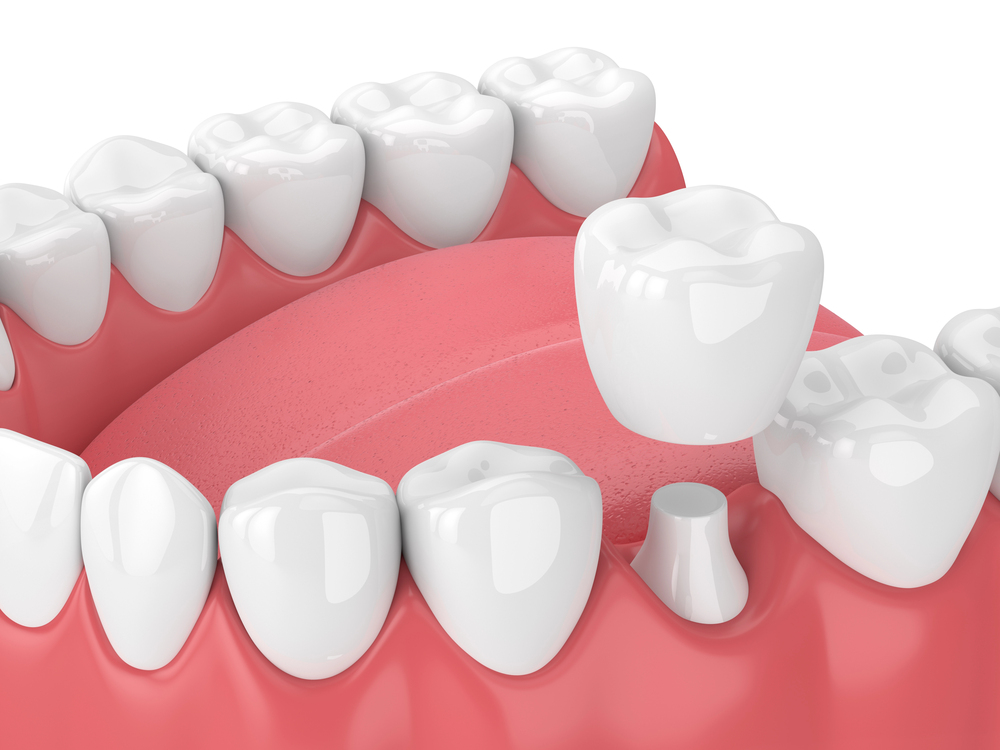
A missing tooth affects more than your smile. Neighboring teeth can gradually drift into the gap, your bite can shift, and chewing on one side can start to feel like a workaround. A dental bridge fills that space with a natural-looking replacement tooth anchored to the teeth or implants beside it. For patients in Vestavia Hills, our team at Double Oak Mountain Family Dentistry offers both traditional bridges and implant-supported bridges, so we can match the option to your mouth, your goals, and your budget.
A bridge is a fixed restoration, which means it stays in place and does not come out at night like a denture. A traditional bridge uses crowns placed on the healthy teeth on either side of the gap. Those anchoring teeth support one or more artificial teeth, called pontics, that sit where the missing teeth used to be. The result is a single connected piece that restores your bite and fills the space in your smile.
When the teeth next to a gap are not strong enough to serve as anchors, or when several teeth in a row are missing, we may recommend an implant-supported bridge instead. In that case, dental implants act as the foundation rather than your natural teeth. Because we also place dental implants and provide crowns, we can walk Vestavia Hills patients through both paths and explain the tradeoffs of each in plain terms.
Bridges work well for a wide range of situations. Some patients lost a tooth to decay or an old injury years ago and have lived with the gap ever since. Others recently had a tooth removed and want to replace it before neighboring teeth begin to shift. Some are missing two or three teeth side by side and want a fixed solution rather than a removable partial denture.
The best way to know whether a bridge suits you is a dental exam. Our dentists, Dr. James Samford, Dr. Payne Jennings, Dr. Claire Leverton, and Dr. Joseph Upton, look at the health of the surrounding teeth and gums, how your bite comes together, and whether a traditional bridge, an implant-supported bridge, or another option like a partial denture makes the most sense. You do not need a referral to schedule this consultation with us.
What happens during the bridge process?
Getting a traditional bridge usually takes more than one visit. At the first appointment, we prepare the anchoring teeth by gently reshaping them so crowns can fit over them. We then take impressions so your bridge can be made to fit your bite, and we place a temporary bridge to protect those teeth while you wait.
When your final bridge is ready, you come back so we can check the fit, color, and bite before cementing it in place. If you are getting an implant-supported bridge, the timeline is longer because the implants are placed first and the bridge is attached afterward. Here is what you can expect along the way:
- A thorough exam and a clear explanation of your options before any work begins
- Preparation of the anchoring teeth or placement of implants
- A temporary bridge so you can eat and smile comfortably in the meantime
- A final fitting where we adjust the bridge until your bite feels right
Throughout each visit, we focus on keeping you relaxed. Every treatment room has a television, and our office includes extra amenities meant to make your time with us more comfortable, whether you are the patient or bringing a family member.
How do I care for my bridge?
You care for a bridge much like your natural teeth, with a few extra steps. Brush twice a day and pay close attention to the area underneath the replacement tooth, since food and plaque can collect there. Special floss threaders or interdental brushes make it easier to clean beneath the bridge and around the anchoring teeth.
Regular dental cleanings and exams matter even more once you have a bridge, because the health of the supporting teeth and gums keeps the whole restoration stable. Our dental hygienists can show you exactly how to clean around your bridge and check it at each visit. If something ever feels loose or uncomfortable, call us. We offer emergency dental appointments when problems cannot wait.
How can I pay for a dental bridge?
We accept all major PPO insurance plans, and many plans include some coverage for restorative care like bridges. Our team can help you understand how your benefits apply before treatment begins so there are no surprises.
If you do not have insurance, we welcome self-pay patients. We also offer financing through CareCredit, which lets many patients spread the cost of treatment over time. We have been grateful to be voted among the top three dentists in Birmingham two years in a row, and we would love to help Vestavia Hills families restore complete, comfortable smiles. Call our office to schedule your bridge consultation.